Modern Danish design
Modern Danish design
Welcome to the second part of our deep dive into the post-war design of the three major Nordic design nations: Denmark, Finland and Sweden. In this article, we will focus on Danish Modernism.
Whereas Swedish Modernism is characterised by functionality, simplicity, ergonomics and local materials such as pine, oak and birch, Danish post-war design is based on the country’s strong cabinetmaking traditions and the use of exotic woods such as teak, mahogany and rosewood.
There are several reasons for this. To start with, Denmark has a long tradition of artisanal cabinetmaking. The apprenticeship system of the Danish cabinetmakers’ guild (Snedkerlauget), founded as early as 1554, ensured the excellent quality of the furniture. Apprentices became masters only after years of workshop practice and examinations.
This tradition remained strong well into the 20th century. Between 1927 and 1966, annual fairs paired master craftsmen with designers, sustaining a close proximity between the two professions. The tight working relationship between designers such as Hans Wegner, Børge Mogensen and Finn Juhl and workshops such as Johannes Hansen and Carl Hansen & Søn ensured that Danish furniture was both well-built and well-designed.
Meanwhile, architect and designer Kaare Klint and his successors taught students at the Department of Furniture Design at the Royal Danish Academy proportional logic, ergonomics, and material honesty – stressing the importance of function and construction as the necessary foundation of form.
As for the materials, small Denmark doesn’t have anything resembling the abundant forests that cover much of Sweden. The easy access to woods such as pine and birch has left a strong mark on Swedish furniture design. For their Danish counterparts, imported woods were a necessary complement to local woods such as oak and beech.
Paper cord, rattan, and leather are also common materials in Danish Modernist design, emphasising the visible construction of the furniture. This resulted in durable and lightweight chairs, suitable for compact post-war homes. Craft met everyday utility.
When Scandinavian design became an international phenomenon, Danish designers such as Arne Jacobsen, Hans Wegner, Poul Kjærholm, Børge Mogensen and many others became design superstars, whose influence still looms large in the Danish design community – and abroad.
To this day, Danish design is characterised by a strong focus on craft traditions, as well as an elegant design language. Brands like Carl Hansen & Søn, Fredericia, House of Finn Juhl and Fritz Hansen ensure that the quality is maintained at the level the exquisite designs demand.
Here are four designers who, in different ways, have defined, expanded and questioned the DNA of Danish design.
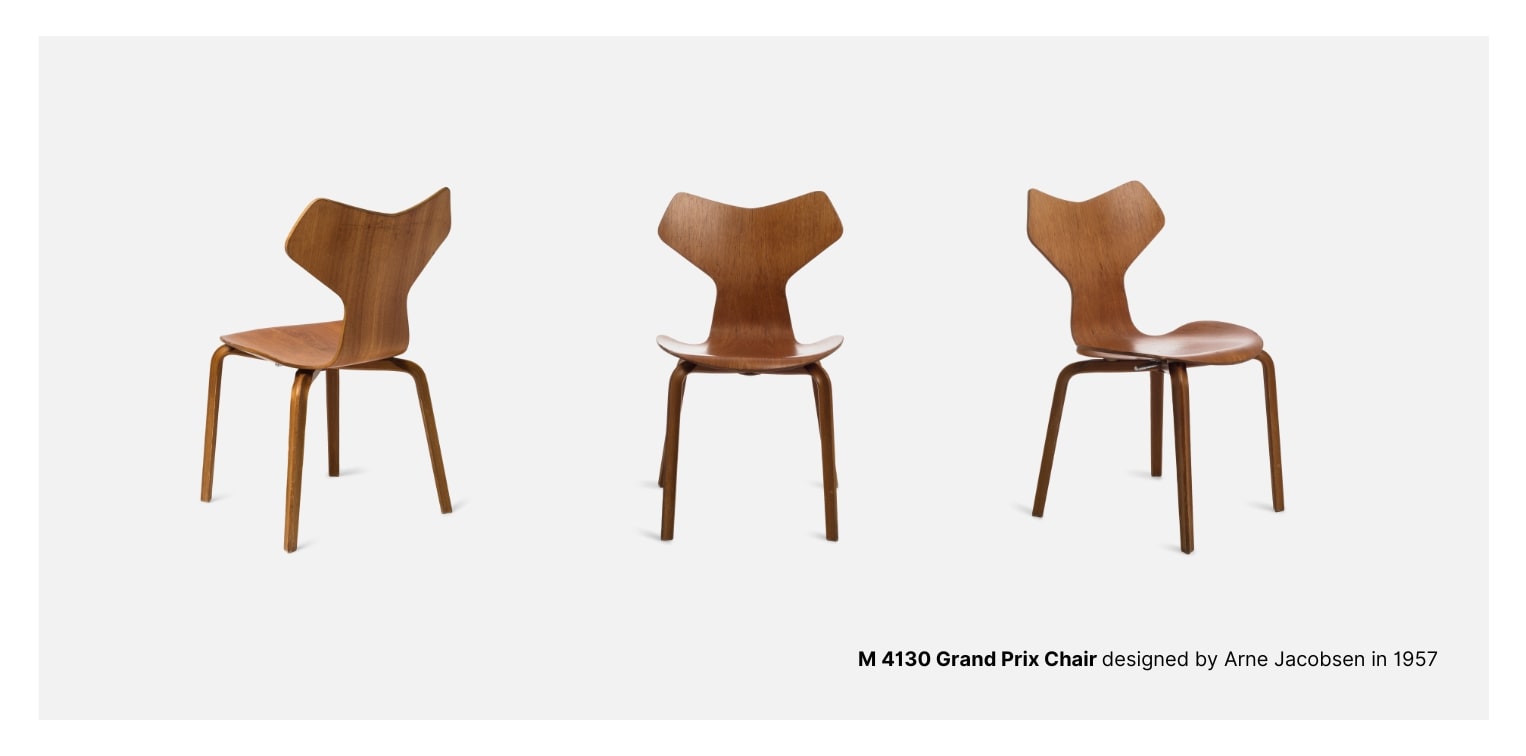
The icon: Arne Jacobsen
Architect and designer Arne Jacobsen has left an indelible mark on Danish design – as well as Copenhagen’s skyline. His hotel for Scandinavian airline SAS is a monument to post-war international architecture, an imposing skyscraper that rivals the work of Le Corbusier and Mies van der Rohe. And of course he filled it with his own design – from the Egg and Swan easy chairs to the AJ pendant lamp, designed for Louis Poulsen. Even though the interior has gone through some changes since its completion in 1960, the building remains a strong showcase for Danish design in general and Jacobsen in particular. A pioneer in bent-wood design, Jacobsen also created chairs for household and office use, such as the eternal classic The Ant and its angular successor, the Grand Prix Chair.
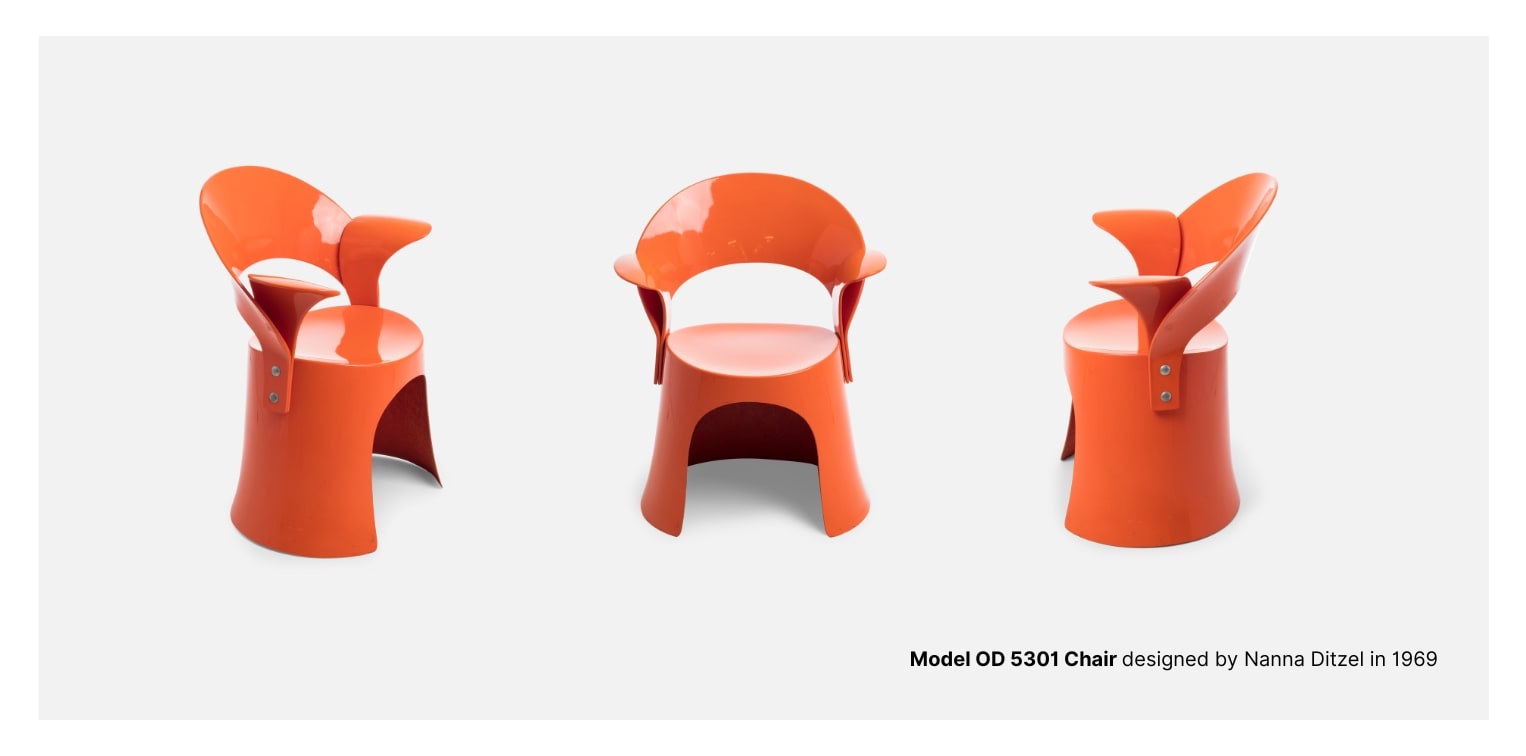
The insider’s favourite: Nanna Ditzel
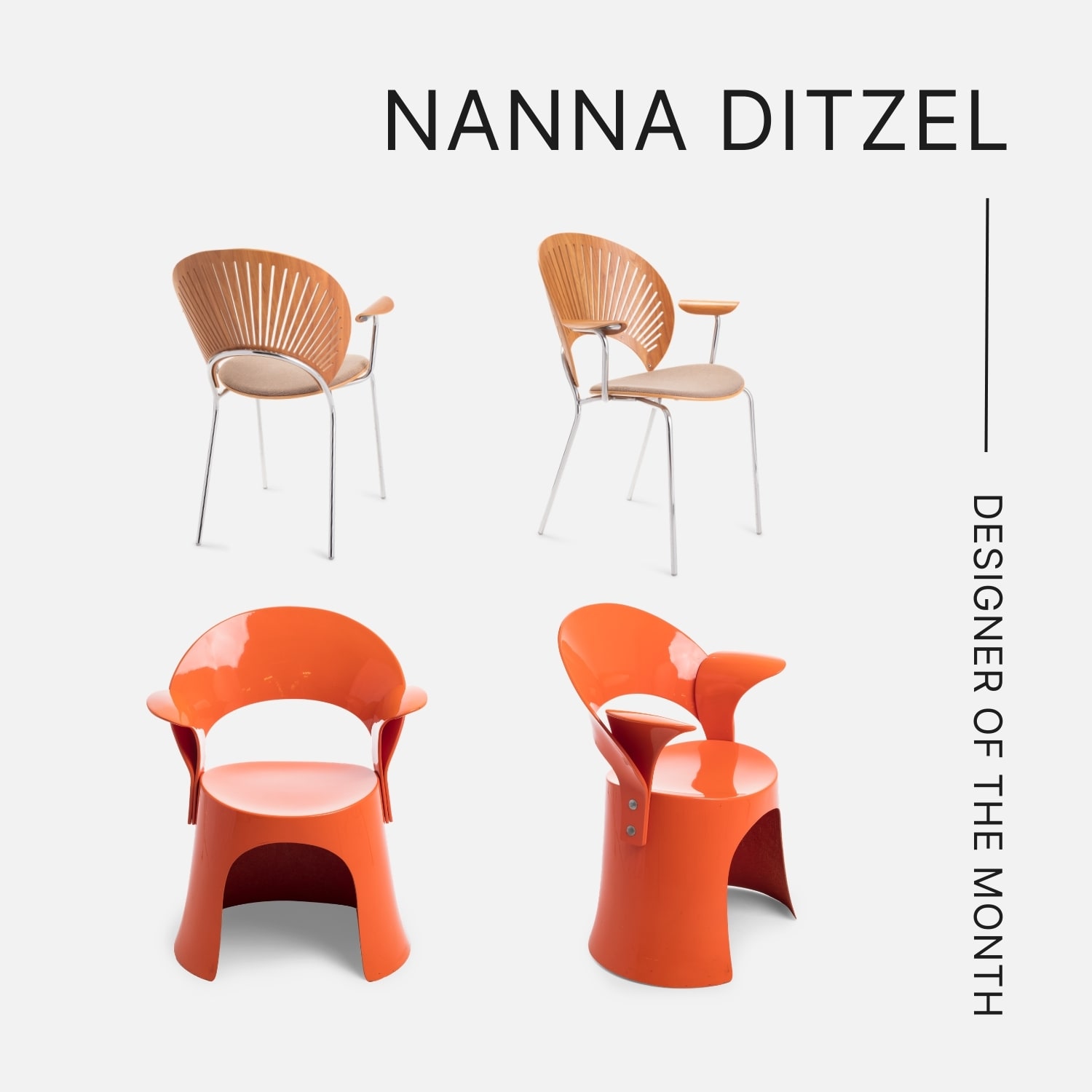
As a designer, Nanna Ditzel moved freely between furniture design, textiles, jewellery and interior design. After the untimely death of her husband and design partner Jørgen Ditzel, she also created several products for children, such as stackable stools, a bunk bed and a cradle. In her practice, Ditzel worked in a wide range of different materials, from rattan and bentwood to fibreglass. But it was all held together by a strong sense of ornament, organic shapes and a human scale. Her Hanging Egg Chair, designed with Jørgen Ditzel, is a playful take on Jacobsen’s Egg Chair of a few years prior, while her plastic OD 5301 chair resembles an origami butterfly in bright pop colours.
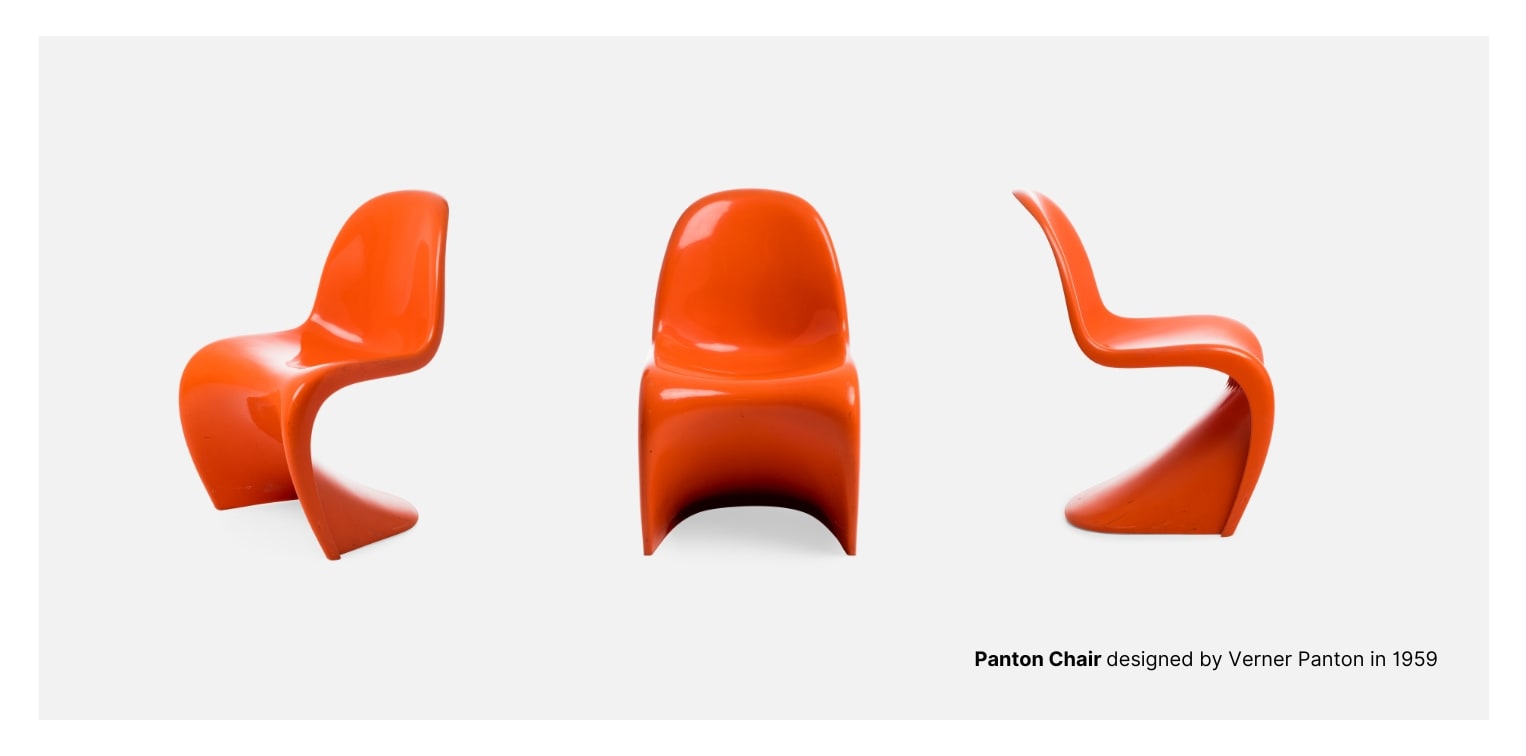
The iconoclast: Verner Panton
Verner Panton was, reportedly, as colourful a person as his playful designs. Towards the end of World War II, he joined the Danish resistance and had to hide from German soldiers. After studies at the Royal Academy in Copenhagen, he worked a couple of years for Arne Jacobsen, helping develop the Ant chair. His breakthrough came with the Cone Chair, followed by the world’s first inflatable chair. Always on the lookout for new materials and production methods, he designed the eponymous Panton Chair in 1959, and put in to production in, 1967. Moulded in a single piece of cold-pressed fibreglass, the S-shaped, colourful chair became an immediate pop icon.
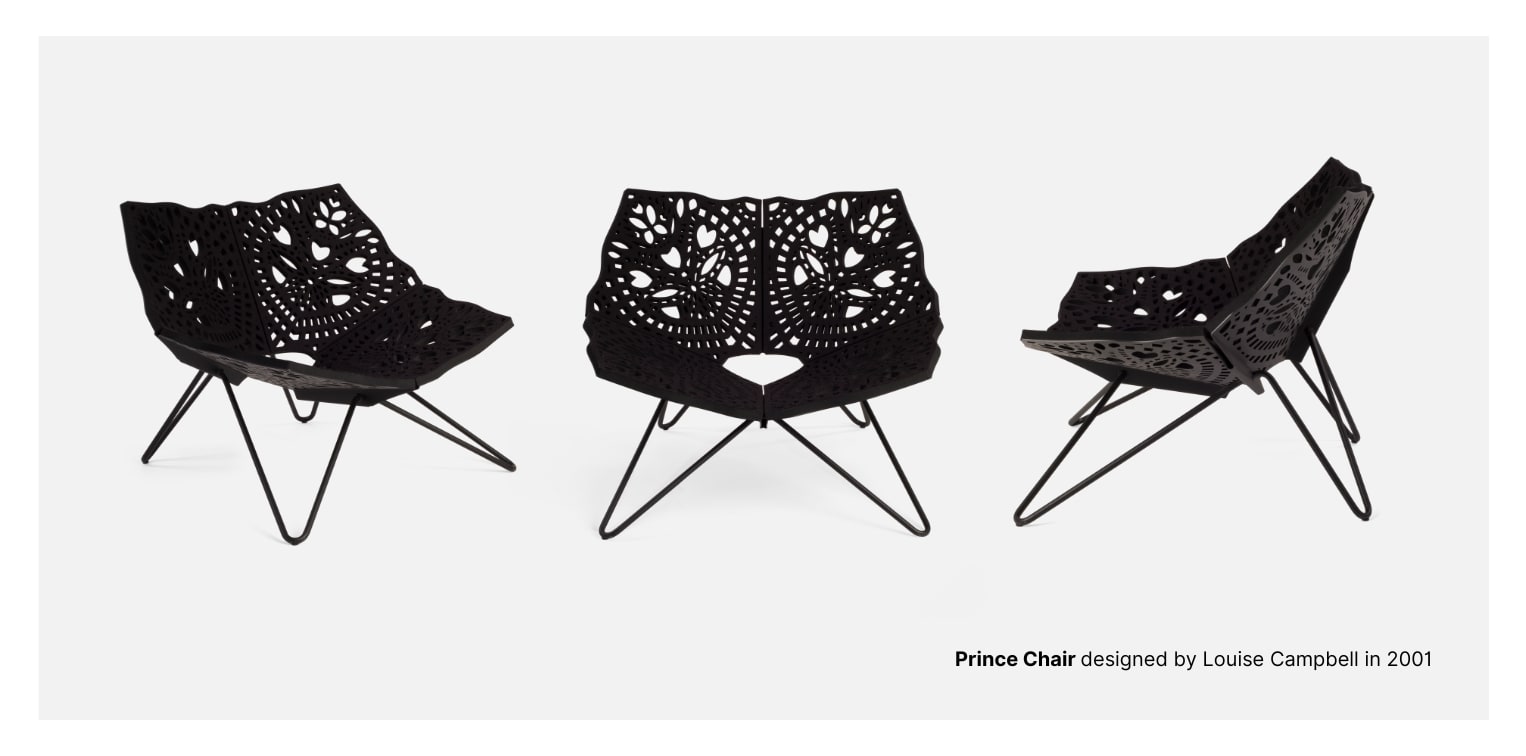
The inheritor: Louise Campbell
Born in 1970, when Danish Modernism was at its peak, Louise Campbell has inherited some of its most prominent features – such as a love of well-executed craft, organic shapes and patterns and a humanistic approach. In her work for the lighting company Louis Poulsen she follows in the footsteps of great designers such as Poul Henningsen, creating lamps that offer a diffused, filtered light. Her best-known work is the Prince Chair, first made for a competition where designers were invited to create a chair for Frederik, the Crown Prince of Denmark. She didn’t win, but the chair, with its paper-cutout pattern, was picked up by manufacturer HAY and became an instant classic.